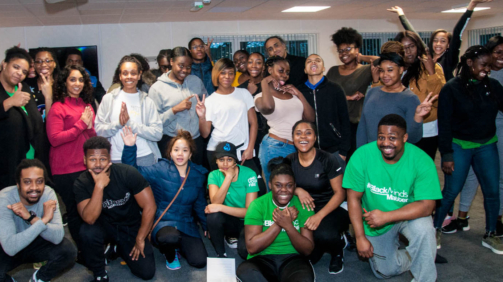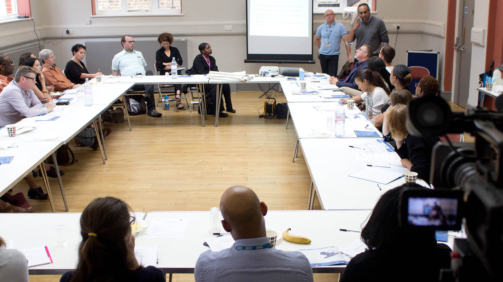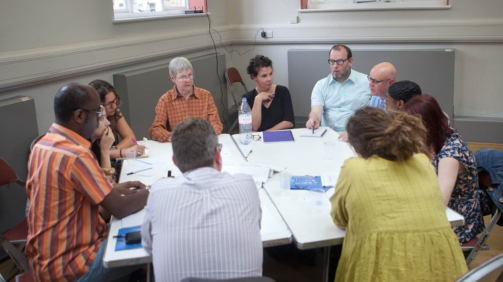
annually addresses the specific mental health challenges confronting black communities
Healing Our Broken Village Conference
The Healing Our Broken Village Conference annually addresses the specific mental health challenges confronting black communities, advocating for substantial change with three key requests:
Substantial change with three key requests:
Long-term Funding
A comprehensive investment plan is sought, integrated into core healthcare business planning, to ensure sustained funding for the Ethnicity and Mental Health Improvement Project (EMHIP). EMHIP aims to tackle racial disparities in mental health services.
Diversity and Representation
To combat the underrepresentation of Black and Minority Ethnic (BME) communities within the healthcare system, a strategy is needed to actively identify and support individuals from these communities. This approach creates accessible pathways into education, training, and employment within mental health services, fostering diversity at all levels.
Community-Centric Strategy
The conference calls for a mainstream mental health strategy redirecting professional resources to frontline communities. This strategy supports evidence-based, co-produced initiatives that aim to significantly reduce disparities in access, experiences, and outcomes within mental health services for black communities.
Conclusion
The conference highlights the urgency of these requests, emphasizing decades of disparities in mental health services for BME communities. Attendees demand concrete actions to improve access and conditions. To ensure transparency, a Community Panel oversees the healthcare system's response. We aim to achieve equity and justice in mental health services by fostering collaboration with healthcare partners and garnering public support.
How EMHIP became established in Wandsworth.
The Process
WCEN have been dedicated to reducing inequalities in Wandsworth over the last 20 years. HOBV gave birth to this project.
1. Healing Our Broken Village 11th Black Mental Health Conference
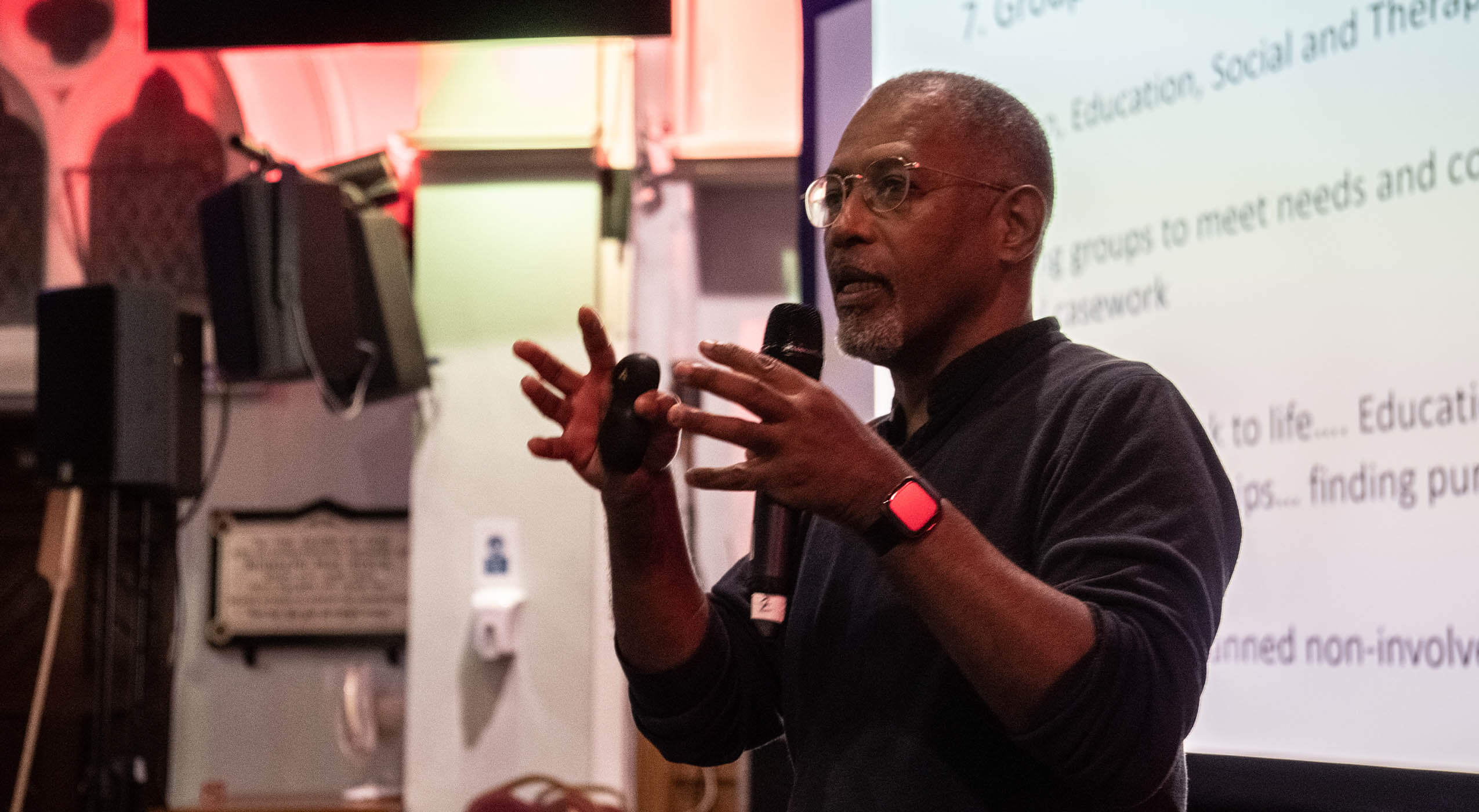
The 11th HOBV Conference on 24th October 2019 focused on launching the Ethnicity & Mental Health Improvement Project (EMHIP). The conference heard from Bishop Delroy Powell (New Testament Assembly), Malik Gul (Director, WCEN), Professor Sashi P. Sashidharan, David Bradley (Chief Executive, SLAM) and Vanessa Ford (Acting Chief Executive, SWLSTG).
2. Wandsworth BME Expert Panel
In 2018, the NHS, SWLSTG and WCEN, reacted to the recognition of the need to scale up the improvement work in BME Mental Health through the establishment of a BME Expert Panel. The Panel met monthly and was chaired by the Chief Executive SWLSTG and included NHS staff, local stakeholders and experts in the field. In, October 2019 the Panel commissioned the development of EMHIP.
3 Project Development
In March 2020 the EMHIP Key Intervention Report was presented to the Expert Panel, who accepted, in principal, all of the recommendations. They commissioned a Business Case and Costings for Full Implementation.
4 Stakeholder Engagement
5 Key Interventions
Following on from the stakeholder engagement, the EMHIP team came up with 5 Key Interventions. These are:
1. Establishing Mental Health and Wellbeing Hubs (MH&WB Hubs) in the community with Community Embedded Workers
2. Increasing service options by providing: (i) crisis residential alternatives (ii) enhanced support for people with longer term mental health
needs and (iii) specialist support for those subject to multiple MHA admissions
3. Reducing restrictive/coercive practices through (i) inclusive and shared decision making and (ii) eliminating the use of Restraint & Control
4. Enhancing inpatient care experience through (i) community involvement in inpatient care and (ii) cultural mediation
5. Ensuring a culturally capable workforce.
6 EMHIP Delivery Group
An EMHIP Delivery Group was set up to drive forward the Key Interventions towards delivery. The Delivery Group meets monthly and is chaired by Wandsworth CCG Mental Health Clinical Lead (Dr Tom Coffey). The Delivery Group aims to perform the following key activities in coordination with SWL system partners:
1. Establish Programme Governance and reporting to the SWL Mental Health Transformation Programme Board;
2. Provide support for the development, approval, implementation, delivery and oversight of the EMHIP business case;
3. Develop implementation plans for sustainable delivery of EMHIP in Wandsworth, wider cultural change and improvement across SW London.
Followed by funding & implimentation